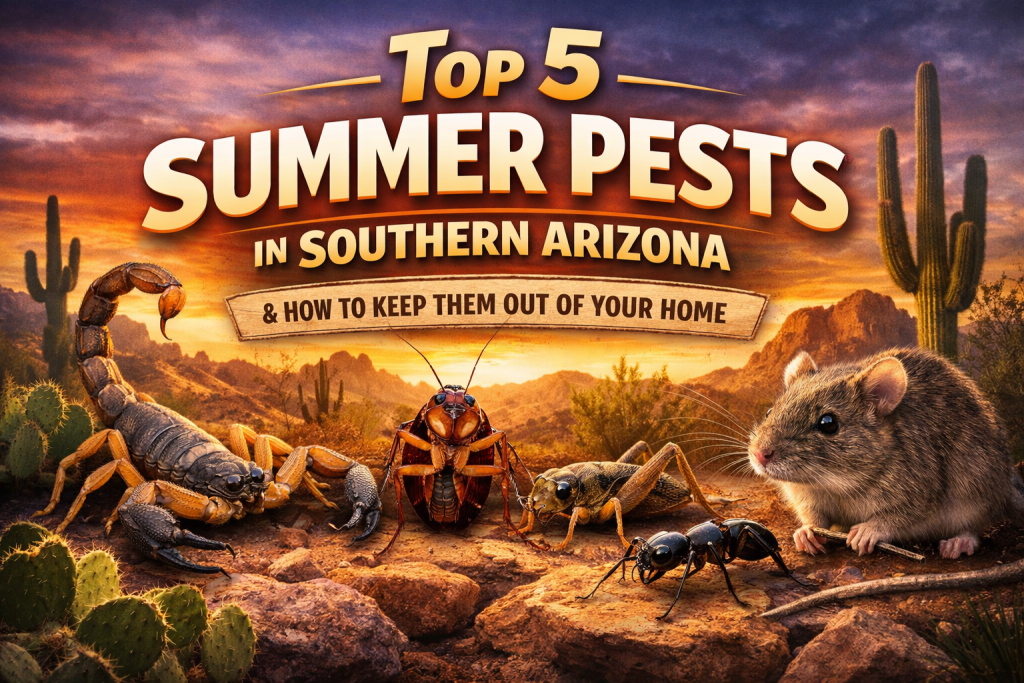
(And How to Keep Them Out of Your Home)
Summer in Southern Arizona brings long sunny days, monsoon storms, and unfortunately a noticeable increase in pest activity. Rising temperatures and seasonal rains create the perfect environment for many desert pests to thrive.
As the heat builds, pests often begin searching for food, water, and cooler shelter inside homes, which is why many homeowners suddenly start seeing more insects and rodents during the summer months.
Below are five of the most common summer pests in Southern Arizona and what homeowners can do to prevent them.
1. Scorpions
One of the most feared desert pests is the Arizona bark scorpion, the only scorpion in the United States considered potentially dangerous to humans.
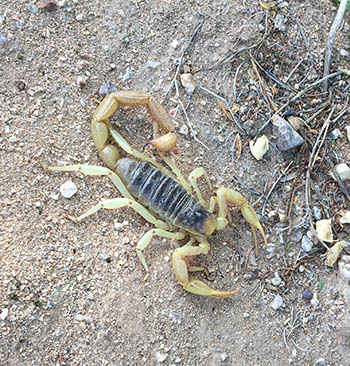
Scorpions are nocturnal hunters that hide during the day in cool, dark places such as under rocks, wood piles, landscaping materials, and block walls. At night they come out to hunt insects like crickets, spiders, and cockroaches.
During extremely hot or dry conditions, scorpions may wander indoors looking for water or cooler shelter.
Signs of Scorpions Around Your Home
- Scorpions found in sinks, tubs, or laundry rooms
- Increased activity around exterior walls at night
- Large numbers of insects nearby
How to Prevent Scorpions
- Seal cracks around doors, windows, and foundations
- Remove yard clutter like wood piles and debris
- Reduce outdoor lighting that attracts insects
- Use sticky traps in garages and storage areas
Professional pest control programs typically focus on reducing the insects scorpions feed on and applying exterior treatments around the home.
2. Cockroaches
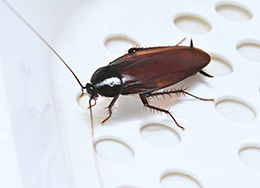
Cockroaches thrive in warm climates, which is why they are common throughout Southern Arizona. Activity often increases during the monsoon season, when heavy rain forces them out of sewers and landscaping.
Two of the most common species homeowners encounter are the American cockroach and the German cockroach.
These pests prefer areas with moisture and food sources, making kitchens, bathrooms, garages, and drains common hiding spots.
Signs of a Cockroach Problem
- Roaches scattering when lights turn on
- Small droppings in cabinets or drawers
- Musty odors in kitchens or bathrooms
How to Prevent Cockroaches
- Repair plumbing leaks quickly
- Store food in sealed containers
- Clean kitchen surfaces regularly
- Seal gaps around plumbing and utility lines
Baiting programs and targeted treatments are often the most effective way to eliminate established infestations.
3. Ants
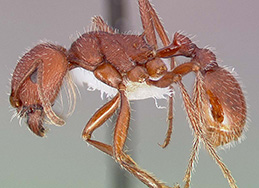
Ants become extremely active during summer in Southern Arizona because warm soil temperatures allow colonies to grow quickly. When monsoon rains flood underground nests, ants may move indoors searching for food and shelter.
Common desert species include the Harvester ant, Argentine ant, and Pavement ant.
Large colonies can quickly invade kitchens, pantries, and patios.
Signs of Ant Infestations
- Trails of ants entering through cracks
- Dirt mounds near sidewalks or foundations
- Ants gathering around sugary foods
How to Prevent Ants
- Clean up crumbs and food spills promptly
- Trim plants and trees touching the home
- Seal small cracks and exterior entry points
Because colonies can contain thousands of workers and multiple queens, professional baiting programs are often needed for lasting control.
4. Crickets
Cricket populations can explode during the summer, particularly after monsoon storms. The most common species homeowners see is the House cricket.
Crickets are strongly attracted to lights and moisture, which means patios, garages, and entryways often become gathering spots.
Large cricket populations can also attract predators—especially scorpions.
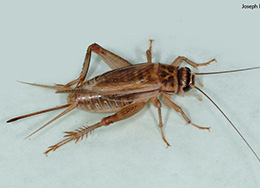
Signs of Cricket Activity
- Chirping sounds at night
- Crickets gathering around outdoor lights
- Dead crickets near doorways or garages
How to Prevent Crickets
- Replace bright outdoor lights with yellow bug lights
- Seal gaps under doors and around foundations
- Keep grass and weeds trimmed around the home
Exterior perimeter pest control treatments can greatly reduce cricket populations.
5. Pack Rats
The White-throated woodrat, commonly known as a pack rat, is a desert rodent frequently found throughout Southern Arizona.
Pack rats build large nests made of sticks, cactus pieces, and debris. These nests are often found in cactus, dense shrubs, wood piles, or even inside vehicles.
They can cause significant damage by chewing electrical wires and insulation.
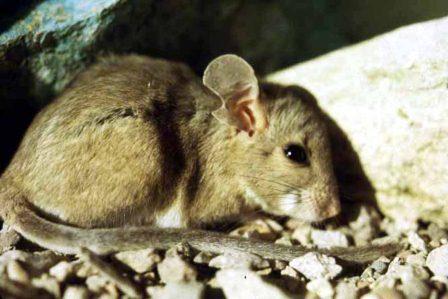
Signs of Pack Rats
- Large stick nests near homes or in landscaping
- Rodent droppings in garages or sheds
- Chewed wiring or vehicle damage
How to Prevent Pack Rats
- Remove dense vegetation and debris near structures
- Store pet food in sealed containers
- Seal openings larger than ¼ inch around buildings
Professional rodent control typically involves trapping, habitat modification, and exclusion work.
Protecting Your Home From Summer Pests in Southern Arizona
Summer pest activity is a normal part of living in the desert, but proactive prevention can dramatically reduce problems around your home.
The most effective strategies include:
- Sealing cracks and entry points around your home
- Reducing moisture and standing water
- Keeping yards clean and free of debris
- Maintaining routine pest control service
Taking preventative steps early in the season can help keep your home comfortable and pest-free throughout the hottest months of the year. Contact us today to start protecting your home before these Tucson pests take over this summer!
Southern Arizona Summer Pest FAQs
Extreme heat and monsoon rains increase insect activity and force many pests to search for water and shelter inside homes.
The Arizona bark scorpion is considered the most medically significant pest due to its venomous sting. Their sting is especially dangerous for young children, the elderly, and people with pre-existing health issues. The Arizona bark scorpion is responsible for multiple deaths in Arizona every year.
Yes. Crickets are a primary food source for scorpions, so large cricket populations can increase scorpion activity around homes. One of the best ways to control scorpions is to control cricket and other insect populations around your home.
Pest activity occurs year-round, but populations typically peak between May and October, especially during monsoon season.