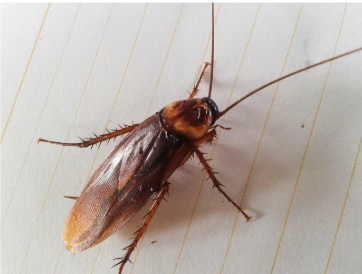
It’s 11 p.m. You flip on the kitchen light, and something brown shoots under the fridge. The moment comes with a shriek and a full-body shiver. Oh, no, what was that?
Cockroaches enter Oro Valley homes for the same things we appreciate: food, water, and shelter. Even in Southern Arizona’s dry climate, a leaky pipe, an irrigated yard, or a kitchen with a few crumbs can provide what they need. Knowing what attracts them—and which species you’re dealing with—can help you keep them out.
Why Cockroaches Enter Oro Valley Homes
The desert may be dry, but homes and landscaping create pockets of moisture. Dripping faucets, plumbing leaks, and overwatered planting beds can give cockroaches access to water. Pet food, unsecured trash, and crumbs beneath appliances provide food, while clutter and small cracks offer shelter.
Monsoon weather can also bring unwanted visitors indoors. University of Arizona Cooperative Extension notes that summer rain can force American cockroaches out of sewers and into homes. An occasional outdoor roach that wanders inside is different from an established indoor infestation, so identification matters.
How Cockroaches Get Inside
Cockroaches can enter through gaps beneath doors, damaged weatherstripping, and openings around utility lines. Some species may also enter through drains connected to sewer systems. Others hitch a ride in boxes, bags, used furniture, or appliances.
Check incoming items before putting them away, and pay attention to gaps near kitchens, bathrooms, laundry rooms, and garages. These areas may provide easy access to moisture or hiding places.
Common Cockroaches in Oro Valley Homes
Several cockroach species occur in Arizona, but they don’t all behave the same way. These are a few worth recognizing in the Tucson area, including Oro Valley.
American Cockroach
This is the big one. American cockroaches are reddish brown and typically about 1.5 to 2 inches long. You may hear them called sewer roaches or water bugs. They often live in sewer systems and other damp areas, but they can make their way indoors. Finding one doesn’t automatically mean they are breeding in your kitchen.
German Cockroach
German cockroaches are much smaller, about half an inch long. They’re light brown to tan, with two dark stripes on the shield just behind the head. They tend to live indoors near food and water, hiding in cracks, under sinks, and around appliances. Because they reproduce quickly, repeated sightings deserve prompt attention.
Turkestan Cockroach
University of Arizona Cooperative Extension identifies Turkestan cockroaches as common in the Phoenix and Tucson areas. They usually live outdoors, but they can enter homes. Adults are about an inch long; males have long, yellowish-tan wings, while females have shorter wings with pale markings along the edges. Keeping doors and windows well sealed can help limit entry.
Brown-Banded Cockroach
Brown-banded cockroaches are about half an inch long and have lighter bands across their bodies or wings. They favor warm, drier hiding places, including furniture, closets, and areas behind pictures. Unlike German cockroaches, they may turn up farther from kitchens and bathrooms. Males can fly; females cannot.
Signs You May Have a Cockroach Infestation
A single sighting is a reason to investigate. Repeated sightings, especially of small roaches indoors, may point to a larger problem. Watch for:
- Live cockroaches appearing repeatedly in the same rooms.
- Small droppings in cabinets, drawers, or near appliances.
- Egg cases or shed skins in hidden areas.
- An unusual, persistent odor around places where roaches gather.
Identification is especially important when small roaches keep appearing in the kitchen. A pest professional can determine the species and recommend an appropriate treatment.
Why Cockroaches Are More Than a Nuisance
Cockroaches can contaminate food and preparation surfaces as they move through unsanitary areas. Avoid leaving food exposed, clean surfaces where you’ve seen activity, and address the source of the problem rather than relying on cleanup alone.
How to Prevent Cockroaches in Your Home
You don’t have to make your home spotless to take useful steps. Focus on reducing access to food, water, and shelter:
- Seal entry points. Repair weatherstripping and gaps around doors, windows, pipes, and utility lines. Keep window and vent screens in good condition.
- Manage moisture. Fix leaky faucets and pipes, address standing water, and avoid overwatering landscaping near the house.
- Clean food hiding places. Remove crumbs and grease beneath and behind appliances when you can do so safely. Store dry goods in airtight containers and avoid leaving pet food out overnight.
- Secure trash. Use covered bins and remove kitchen trash regularly.
- Reduce clutter. Clear out unused cardboard and paper, and use plastic storage bins where practical.
- Maintain the yard. Trim plants back from the house and keep wood debris and leaf litter away from exterior walls.
When to Call for Cockroach Control in Oro Valley
If you keep seeing cockroaches, find signs of an infestation, or suspect German cockroaches, don’t wait for the problem to grow. The right approach depends on the species and where it is living.
Bill’s Home Service offers pest control services in Oro Valley that begin with an inspection and a treatment plan suited to your home.
The Household Pest Program covers common desert pests, including cockroaches, ants, scorpions, spiders, crickets, beetles, and centipedes. The Pest Plus Program adds coverage for German cockroaches, rodents, bees, wasps, fleas, and ticks. Service begins with an inside and outside treatment, followed by regular exterior treatments.
Ready to help keep roaches out of your Oro Valley home? Call 520-625-2381 or request a pest control quote from Bill’s Home Service.